


There’s more computing power behind a modern bumper than there was in an entire family sedan from the 1990s. Sensors, radar modules, wiring looms and brackets are all packed into a space that used to hold little more than a foam bar and a bit of chrome. That’s precisely why a repair that once took a few days can now stretch into weeks, and why the collision repair timeline for your car depends on a lot more than how bad the dent looks. It’s also the kind of complexity the team at Parramatta Smash Repairs works through every day.
Understanding what actually goes into a repair changes how you look at the process altogether. Once you know what’s happening behind the panels, the timeline stops feeling like a mystery and starts making a lot of sense.
It Starts With What You Can’t See
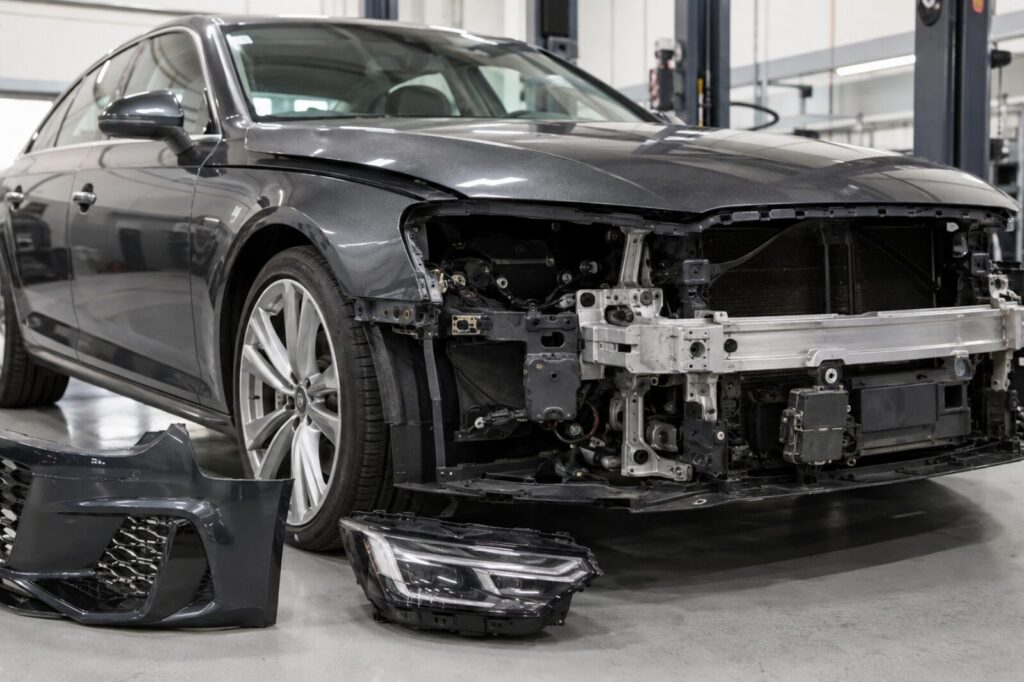
Visible damage is only ever part of the story. Bumpers, trims and panels often hide impact that hasn’t shown up yet, and the only way to know the full extent of it is to get the vehicle apart. Once a technician can see behind the surface, a proper repair plan can be built instead of a guess based on what’s obvious from the initial inspection.
This is exactly why hidden damage after a car accident matters so much for late-model and prestige vehicles in particular. A distorted battery casing on a hybrid, a shifted subframe on a sedan or a misaligned ADAS sensor may not be immediately obvious during the initial inspection. Identifying these issues as they become apparent allows the repair plan to be updated appropriately and helps keep the repair process moving.
Parts and Manufacturer Procedures Set the Pace
Modern vehicles use components that are specific to the model, variant and sometimes even the build date, and many of them contribute to how panels fit together or how safety systems operate. Some parts are readily available. Others need to come from interstate or overseas, and delivery can be affected by manufacturing schedules, freight and stock levels well outside anyone’s control locally.
On a late-model or prestige vehicle, the correct component isn’t just about panel fit or paint match either. It can affect how the vehicle behaves in a future collision. As an authorised repairer for Mercedes-Benz, BMW, MINI, Lexus, Toyota and Subaru, we follow the repair procedures each manufacturer has engineered specifically for their vehicles, rather than reaching for whatever’s closest on the shelf.
Technology Has Changed Collision Repair
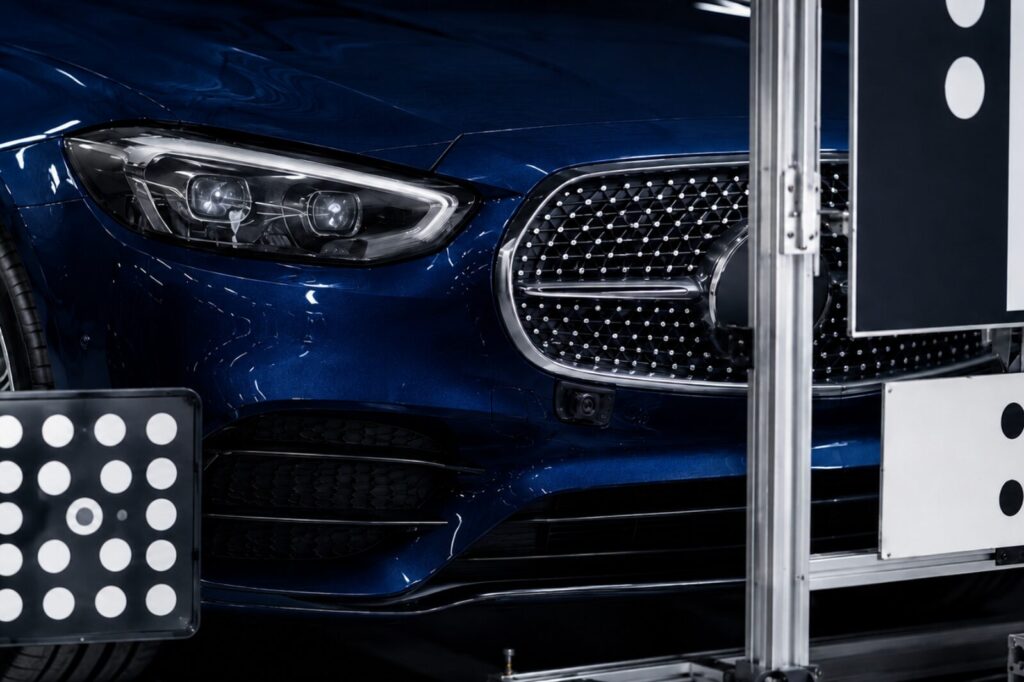
Driver assistance and safety systems have changed what “finished” actually means. Depending on the area affected by the accident, the repair process may include:
- Diagnostic scanning
- Camera and radar calibration
- Parking sensor testing
- Wheel alignment
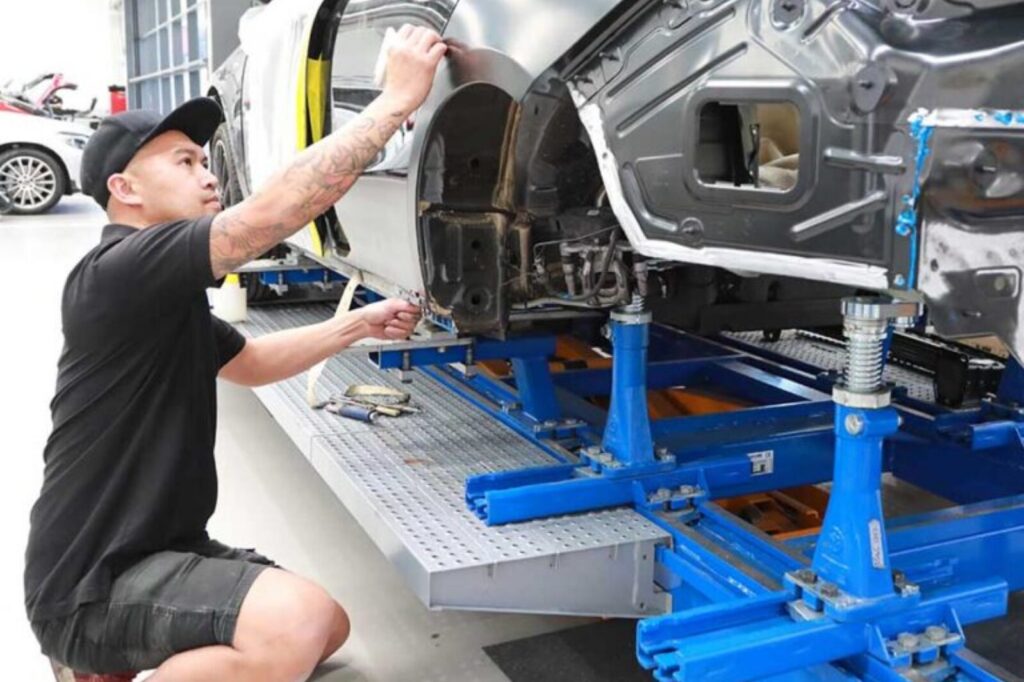
- Structural measuring
- Specialist welding, bonding or joining techniques
- Corrosion protection
- Paint refinishing
- Electrical system checks
- Final functionality testing
These processes aren’t always visible to the customer, but they’re what stand between a car that looks repaired and one that’s genuinely restored to factory specifications.
Insurance Approvals Run in Parallel
When an insurer is involved, any additional damage found during dismantling has to be reported and approved before work continues on that part of the vehicle. A well-managed repair keeps other stages moving while approvals come through, rather than pausing entirely, which is why communication between the repairer and the assessor matters as much as the physical work itself.
Quality Control Before Handover
Before any vehicle leaves the workshop, it gets checked properly. Depending on the vehicle, this can include:
- Panel alignment and fit
- Colour match & paint finish
- Warning lights and fault codes
- Cameras and sensors
- Lights and electrical functions
- Doors, windows and trims
- Wheel alignment
- Vehicle cleanliness and presentation
For prestige vehicles especially, the smallest details can make the biggest difference. Panel gaps, paint finish, trim fitment and warning systems all need to be right before the vehicle is ready for handover.
Coordination Moves the Repair Forward
Parts need to land on time, approvals need to be chased, and technicians need to be scheduled in the right order. Not every workshop is set up to manage that level of complexity, which is where being an authorised repairer, having in-house diagnostic and calibration equipment, and running a dedicated team to manage insurer approvals alongside the physical repair all make the difference.
At Parramatta Smash Repairs, every repair also comes with a Lifetime Guarantee, for as long as you own the vehicle.
Quality, Safety and Efficiency
We understand that being without your vehicle is inconvenient, which is why efficiency remains an important part of every repair. But efficiency should never come at the expense of quality or safety.
At Parramatta Smash Repairs, our objective is simple: to return your vehicle as efficiently as possible, repaired correctly and in accordance with the standards and procedures required for your vehicle.
If your vehicle has been involved in an accident, book an inspection or get in touch with our team to discuss the repair process.