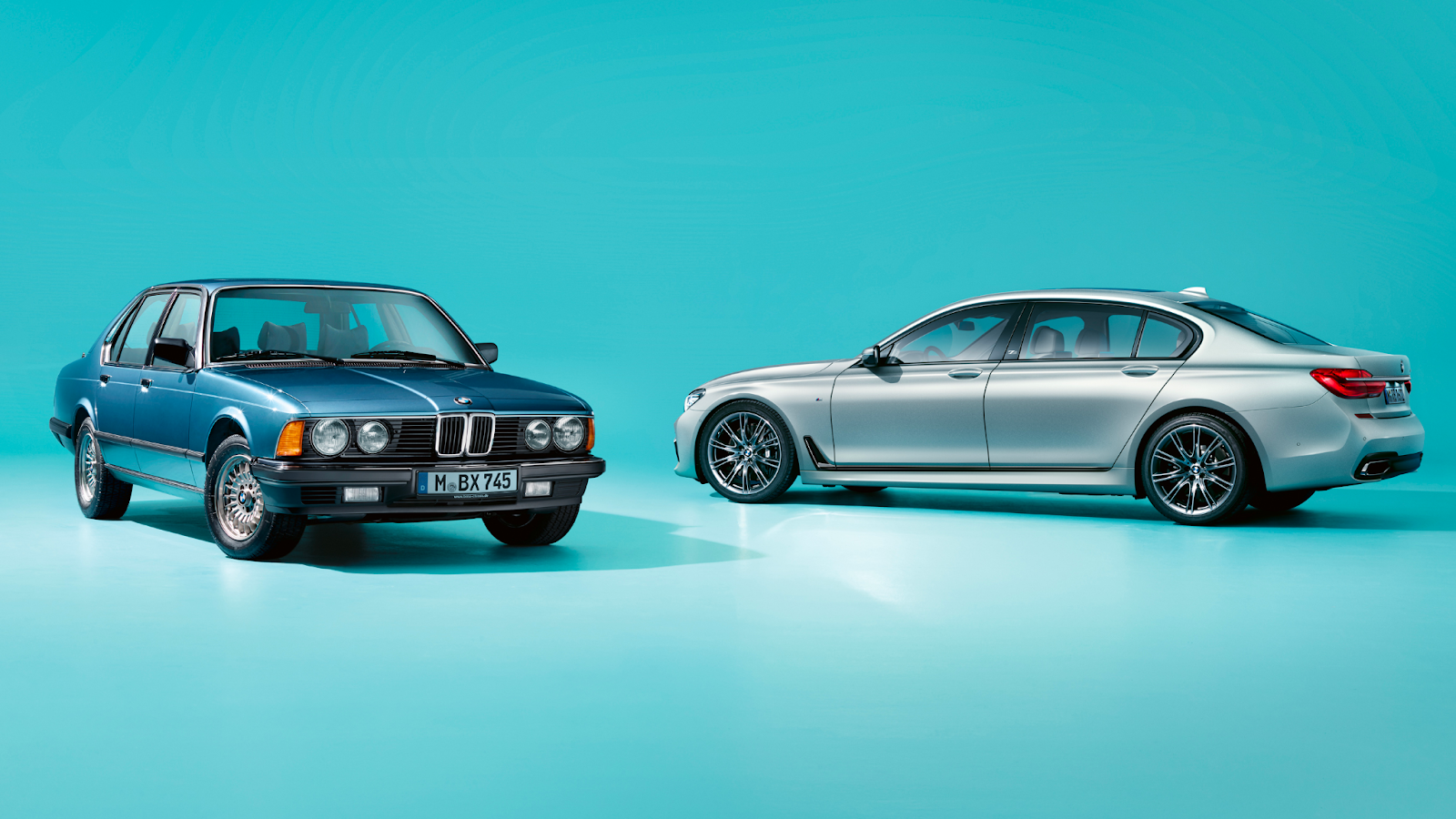


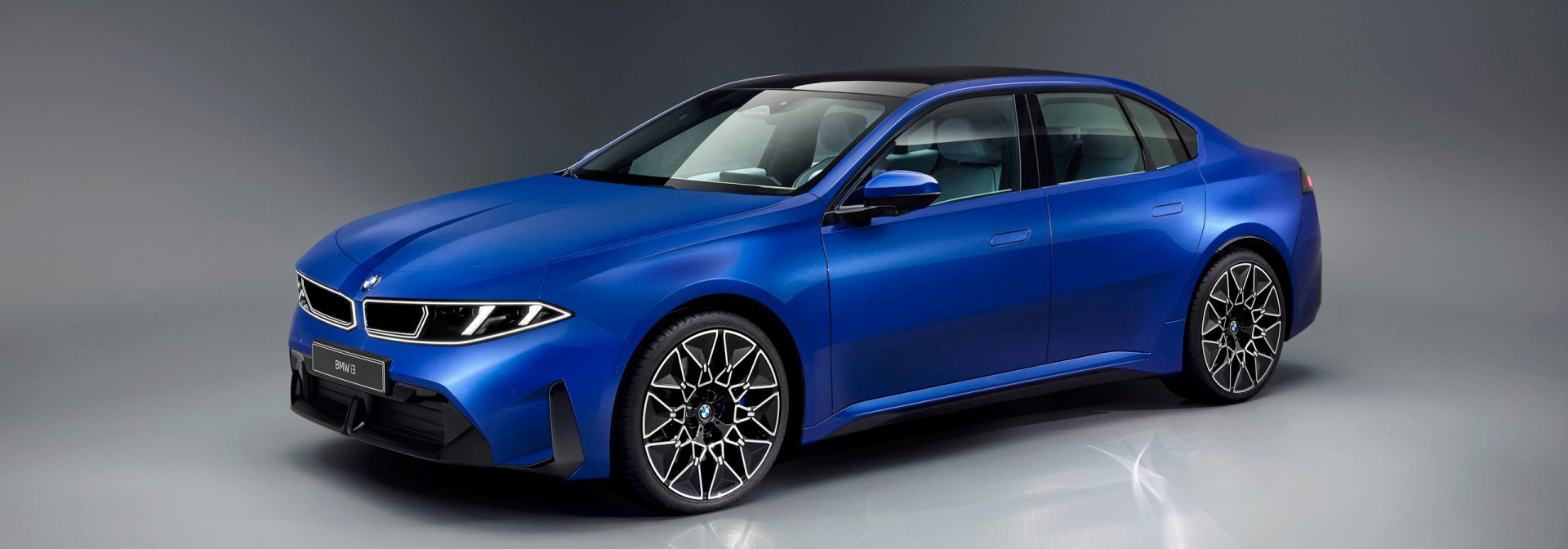
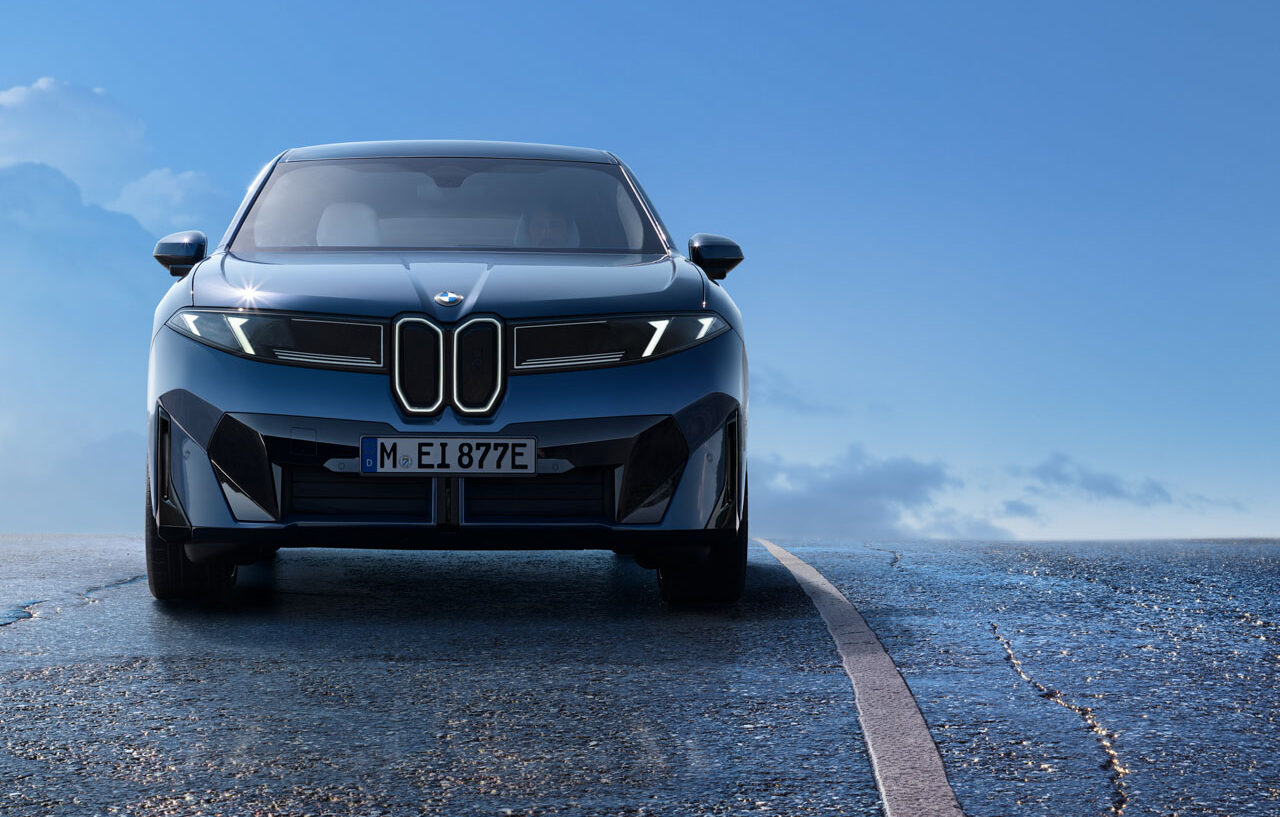
When BMW unveiled the Neue Klasse in the 1960s, it completely rewrote the rulebook for modern sports sedans and saved the brand from financial ruin. Fast forward to today, and the Munich automaker is doing it again, pivoting to an ultra-advanced, software-driven electric vehicle matrix that underpins the incoming i3, iX3, and high-performance M models. If you are lucky enough to get behind the wheel of these state-of-the-art machines, protecting your investment after an accident means looking beyond traditional panel beating shops and booking certified BMW Neue Klasse smash repairs with an accredited factory expert like Parramatta Smash Repairs.
These platforms are closer to modern aerospace engineering than traditional cars, featuring highly integrated carbon-composite structures, complex high-voltage battery shells, and 800-volt electrical systems. A simple fender bender can distort invisible sensor arrays or compromise structural crash barriers designed to shield the high-voltage cells. Navigating the aftermath of a collision requires deep technical awareness, making it crucial to understand why factory certification is no longer optional for late-model European prestige vehicles.
The Structural Reality of Sixth-Generation eDrive Technology
It used to be straightforward. Logbook stamped, services done on time, no major gaps. That was enough to build trust. Now, especially with higher-end vehicles, The core change in the BMW Neue Klasse platform is the shift to a dedicated, cell-to-pack structural design. Instead of modular battery packs bolted into an existing chassis, cylindrical battery cells are directly integrated into the body-in-white structure, serving as a primary load-bearing component.
When an impact occurs, crash energy dissipates differently across this integrated safety cell. Traditional repairers using hydraulic rams risk causing microscopic fractures in the battery housing matrix. To manage this safely, an accredited repair facility must implement specific technical protocols:
- Three-Dimensional Electronic Measuring: Technicians utilise multi-axis digital measuring systems that cross-reference the chassis against live engineering databases from Munich.
- Zero-Tolerance Alignment: Structural tolerances for the battery enclosure are restricted to less than a millimetre, ensuring replacement components do not stress the high-voltage cells.
- High-Voltage Isolation Protocols: Technicians must power down and isolate the 800-volt system using insulated tooling before any structural work begins to prevent thermal runaway.
Advanced Metallurgy and Precision Cold Bonding
The structural safety cages of late-model BMW platforms are a sophisticated mix of ultra-high-strength steels and multi-layered aluminium alloys. This combination reduces weight while maintaining maximum passenger protection during a collision. However, these metals are highly heat-sensitive. BMW explicitly dictates this in its global factory repair standards, tracking strict OEM technical repair guidelines that completely prohibit traditional thermal reshaping:
“This does not apply heat when repairing ultra-high-strength steel components. The application of heat via traditional welding or heating torches permanently alters the crystalline microstructure of the steel, causing severe micro-structural embrittlement and catastrophic failure of pre-engineered passenger safety cells during a secondary impact.”
Consequently, accredited body shops follow factory blueprints mandating cold-repair methodologies. Damaged components are cut out along production lines and replaced using structural rivets and aviation-grade bonding adhesives. This process relies on specialised riveting guns that apply exact kilonewton pressures to join aluminium to steel without inducing galvanic corrosion. Without these proprietary tools, replicating the original build strength is impossible.
Recalibrating the Digital Nervous System
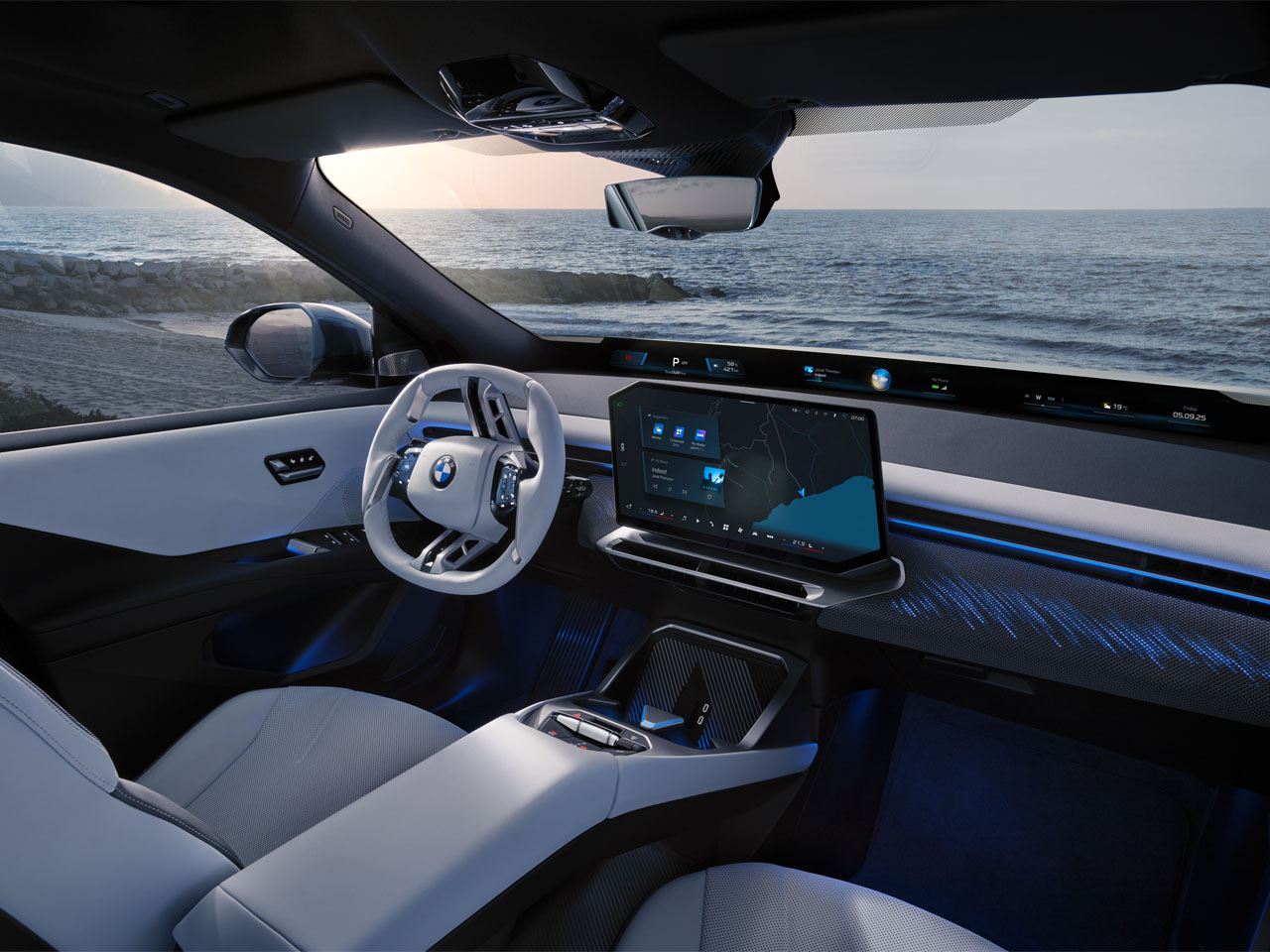
Beyond metallurgy, the electronic complexity of late-model prestige platforms represents a massive hurdle for uncertified repairers. Older vehicles used independent Electronic Control Units scattered across the chassis. The new architecture consolidates this into four high-performance central computers running unified software.
A minor front-end impact does more than scratch paint; it disrupts the factory alignment of ultra-sensitive radar systems, LiDAR units, and cameras. As discussed in our previous breakdown onwhether your smash repairer is hybrid/EV ready, standard code-clearing scan tools are completely inadequate for these advanced networks. Following a collision, the vehicle requires a full digital recalibration using precise target boards connected directly to the global factory database. If skipped, features like autonomous emergency braking may miscalculate road geometry, creating immediate safety risks.
Preserving Warranties and Real-World Value
Choosing an accredited repairer is also vital from a financial standpoint. Using non-genuine parts to trim initial costs can backfire significantly. Aftermarket panels often exhibit slight structural variances that disrupt blind-spot monitoring systems and alter factory aerodynamics.
Furthermore, the Australian luxury car market heavily scrutinises repair history. Independent industry tracking by organisations like the Federal Chamber of Automotive Industries shows that prestige vehicles repaired outside of certified factory networks experience steep drops in resale value. Poor repair work leaves behind diagnostic anomalies in the car’s log history that dealership networks flag instantly during trade-ins. Using a factory-approved shop ensures original structural warranties remain intact, protecting your safety and investment.
The Choice for Your Premium EV
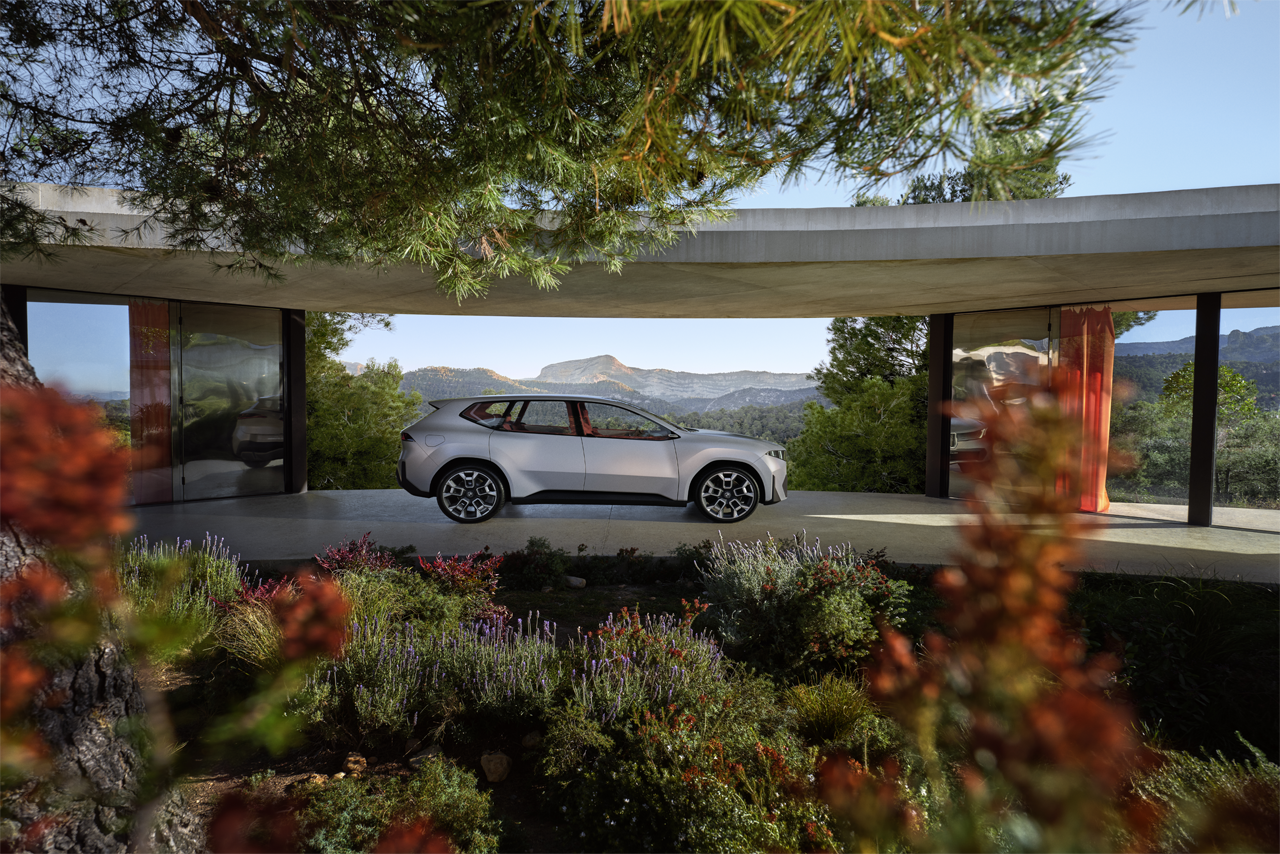
When you invest in cutting-edge automotive engineering, post-accident care must match that same standard. The evolution towards software-driven electric platforms means smash repairs are now a high-tech discipline requiring factory-trained precision.
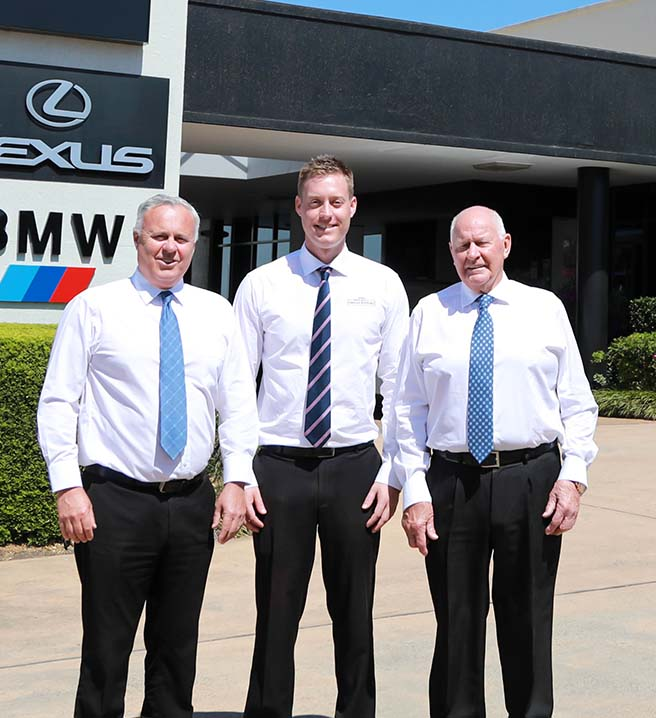
The team at Parramatta Smash Repairs brings three generations of prestige vehicle experience to every repair. By combining rigorous technician training with manufacturer-specific equipment, we ensure your vehicle returns to the road in its exact factory condition. If your late-model vehicle requires specialised post-collision attention, get in touch today to book a comprehensive digital inspection and safeguard your investment.